What we learned moving a live trading platform to AWS Mumbai
Five days, 333 cloud resources and a few surprises. Notes from the Mintzy migration that apply to any business running its own servers.
By Anubhav Kayal, Asterisk Studio
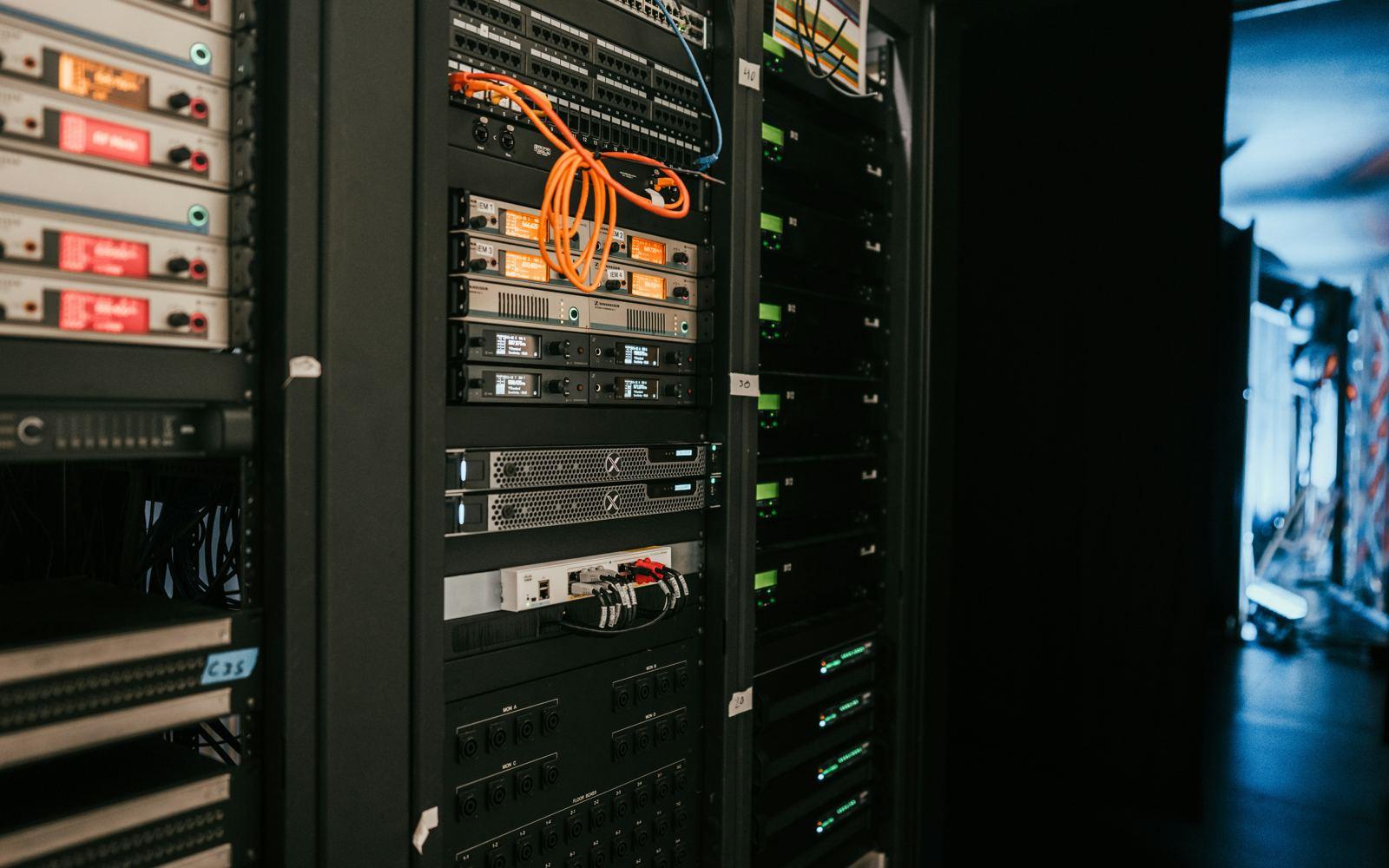
Photo: Kevin Ache on Unsplash
Mintzy runs an AI trading platform for Indian markets. When we started, its apps ran on servers in AWS Virginia, each with a public IP, deployed by logging in over SSH. There were no backups and no audit trail, and some passwords lived inside the code.
Between 30 October and 3 November 2026 we moved it to a private setup in AWS Mumbai. Trading resumed there in paper and scheduled sessions on 3 November. The full case study is on this site. These are the lessons that apply beyond trading.
AWS has run its Mumbai region since 2016 and added a third availability zone in 2019, so a business serving Indian customers can keep everything in India. Gartner expects Indian spending on public cloud to reach $17.5 billion in 2026, which means a lot more companies will face a move like this one.
Self-healing cuts both ways
In the new setup, a server that fails its health check is replaced automatically from a clean image. That's what you want, until you test a deploy that's meant to fail. In one test the load balancer marked the server unhealthy after 45 seconds and replaced it before the deploy's own rollback could run, and the files stored on that server went with it.
We restored them from a snapshot and changed the deploy script to pause automatic replacement while it runs. If your setup heals itself, anything stored only on a server's disk is at risk, so the safe way of working has to be the easy one.
Find the data that isn't in the database
The database was the easy part to move. The harder part was everything else: login tokens, trade files, and 320 trading sessions that had stored the old Virginia server addresses inside them. They timed out after the move until we pointed them at the new names. Before any migration, list every place your system writes data, not just the database.
Use switches when two systems share data
Virginia and Mumbai shared one production database during the move. If both had run scheduled trades, customers would have traded twice. So the new setup came up with three switches turned off: apps, schedulers and live orders. Each was turned on only after explicit approval.
Test the pipeline too
We added a step that scans for leaked passwords before every deploy. It matched its own search pattern and would have failed every run. We caught it because we tested the pipeline the same way we tested the apps.
What this means for a smaller business
Getting this wrong is expensive. IBM put the average cost of a data breach in India at a record ₹22 crore in 2025.
Most businesses don't run trading engines, but the same basics apply. Keep backups and actually try restoring one. Don't leave anything open to the internet that doesn't need to be. Keep passwords out of your code. If any of those make you unsure about your own setup, send us a message and we'll take a look.